What Is Black and White Photography


A Professional Photographer’s Perspective
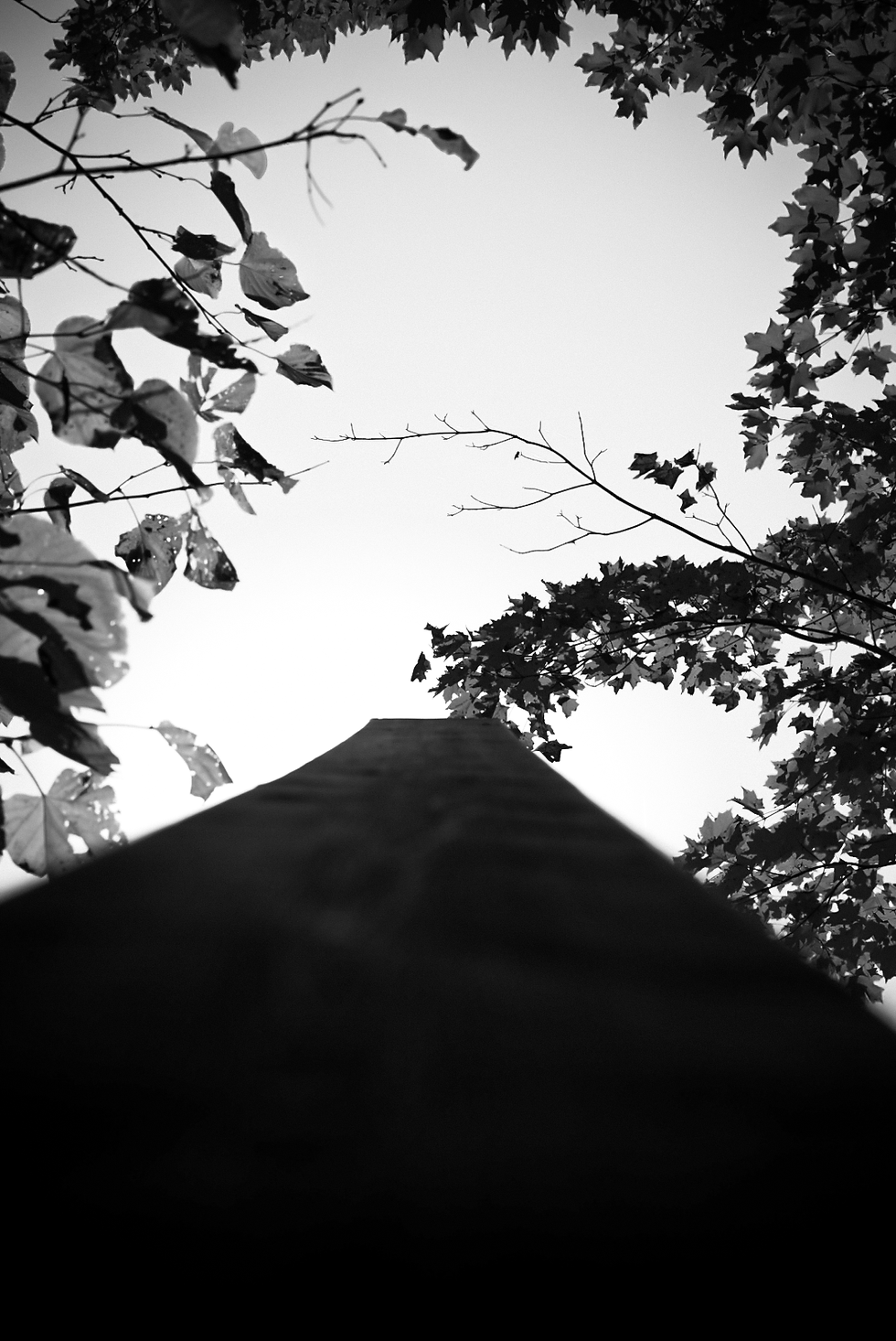
Black and white photography is far more than simply removing color from an image. It is a timeless art form that emphasizes contrast, texture, composition, and emotion. As a professional photographer with decades of experience, I’ve learned that mastering black and white photography is about seeing the world differently — through shapes, shadows, and light rather than hues.
The Essence of Black and White Photography
At its core, black and white photography distills a scene to its purest visual elements. Without color to distract, the viewer focuses on:
Contrast: The interplay of light and dark areas creates depth and drama.
Texture: Fine details in skin, fabric, architecture, or nature stand out vividly.
Composition: Shapes, lines, and patterns become the backbone of storytelling.
Emotion: The absence of colour often enhances mood, expression, and narrative.
When I shoot in black and white, I’m not just taking away colour — I’m highlighting the soul of the image.

Why Black and White Photography Still Matters
Even in an age of high-definition color photography and AI-generated visuals, black and white photography remains popular because it:
Timelessness: Classic black and white portraits and landscapes never go out of style.
Simplicity: It removes distractions, allowing viewers to focus on the story.
Versatility: Works beautifully for portraits, street photography, architectural shoots, and fine art.
Emotional Depth: Conveys feelings more profoundly than color in many scenarios.
Many of the most iconic photographs in history — from Dorothea Lange’s Migrant Mother to Ansel Adams’ landscapes — are black and white, proving its enduring power.

Techniques for Stunning Black and White Photography
Drawing on my years of professional experience, here are key techniques to elevate your black and white photography:
Understand Light: Black and white relies heavily on light contrast. Look for shadows, highlights, and dramatic lighting.
Shoot in RAW: Even if converting to black and white later, shooting in RAW preserves the details needed for dynamic editing.
Play With Filters: Use red, yellow, or green filters in post-processing or on your lens to manipulate contrast and tone.
Focus on Composition: Strong lines, shapes, and patterns become the story in black and white.
Edit Thoughtfully: Adjust contrast, clarity, and exposure to enhance texture and depth, but avoid overprocessing.
The Benefits of Shooting Your Own Black and White Images
From an SEO and marketing perspective, using your own black and white photography can set your work apart online:
Unique Content: Original photos prevent copyright issues and improve search engine trust.
Branding: A consistent black and white aesthetic can define your visual identity.
Engagement: Black and white images often attract more clicks, shares, and social interaction.
SEO Advantage: Images with proper alt text, file names, and captions help rank in Google Images.

Black and White Photography in Modern Digital Media
While film photography laid the foundation for black and white artistry, digital photography now allows for incredible control and creativity. With tools like Adobe Lightroom, Capture One, or Photoshop, you can refine tones, highlight textures, and emphasize mood in ways that were impossible decades ago.
Whether you’re a seasoned professional or an aspiring photographer, embracing black and white photography teaches you to see light, shadow, and emotion in a profoundly different way — one that transcends trends and stands the test of time.
Conclusion
Black and white photography is not just a technique; it’s a mindset. It challenges photographers to focus on light, contrast, texture, and composition, creating images that are timeless and emotionally compelling.
By mastering black and white photography, you don’t just capture pictures — you tell stories that resonate for a lifetime.



Comments